Where to eat in Mestre
One of the quiet joys of staying in Mestre: you eat where locals eat, at local prices. On the island, a canal-side table often means a tourist-facing menu. In Mestre you get the same Venetian food — frequently better and cheaper — surrounded by people who actually live here.
This page is how eating here works — what to order, what it costs, when to turn up. If you just want the names, we keep a separate shortlist: ten restaurants in Mestre worth the walk, with prices per person, menus, maps and what each one suits.
Eat like a Venetian: cicchetti & an ombra
The local ritual is cicchetti — small bar snacks (think crostini with baccalà, little fried bites, olives) eaten standing up with an ombra, a small glass of wine, or a spritz. Do a giro d'ombre — hop between a couple of bars, one cicchetto and one glass at each — and you've had both an aperitivo and a very Venetian evening.
Dishes worth trying while you're here:
- Baccalà mantecato — whipped salt cod on crostini.
- Sarde in saor — sweet-and-sour sardines with onions.
- Bigoli in salsa — thick pasta in an anchovy-onion sauce.
- Risotto and seafood — the lagoon is on the doorstep.
- Tiramisù — born just up the road in Treviso.
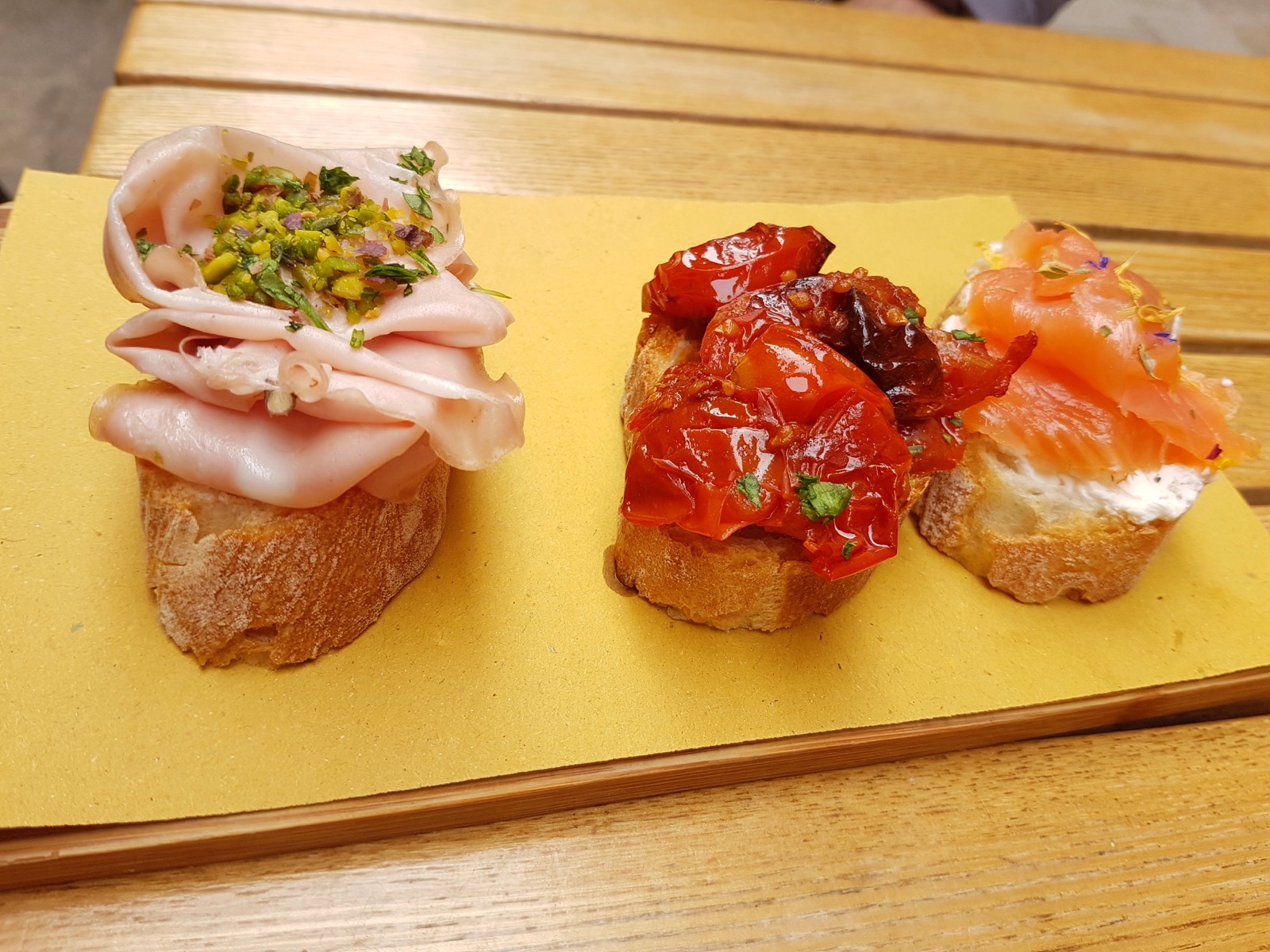
At the bar: spritz, prosecco and what to eat standing up
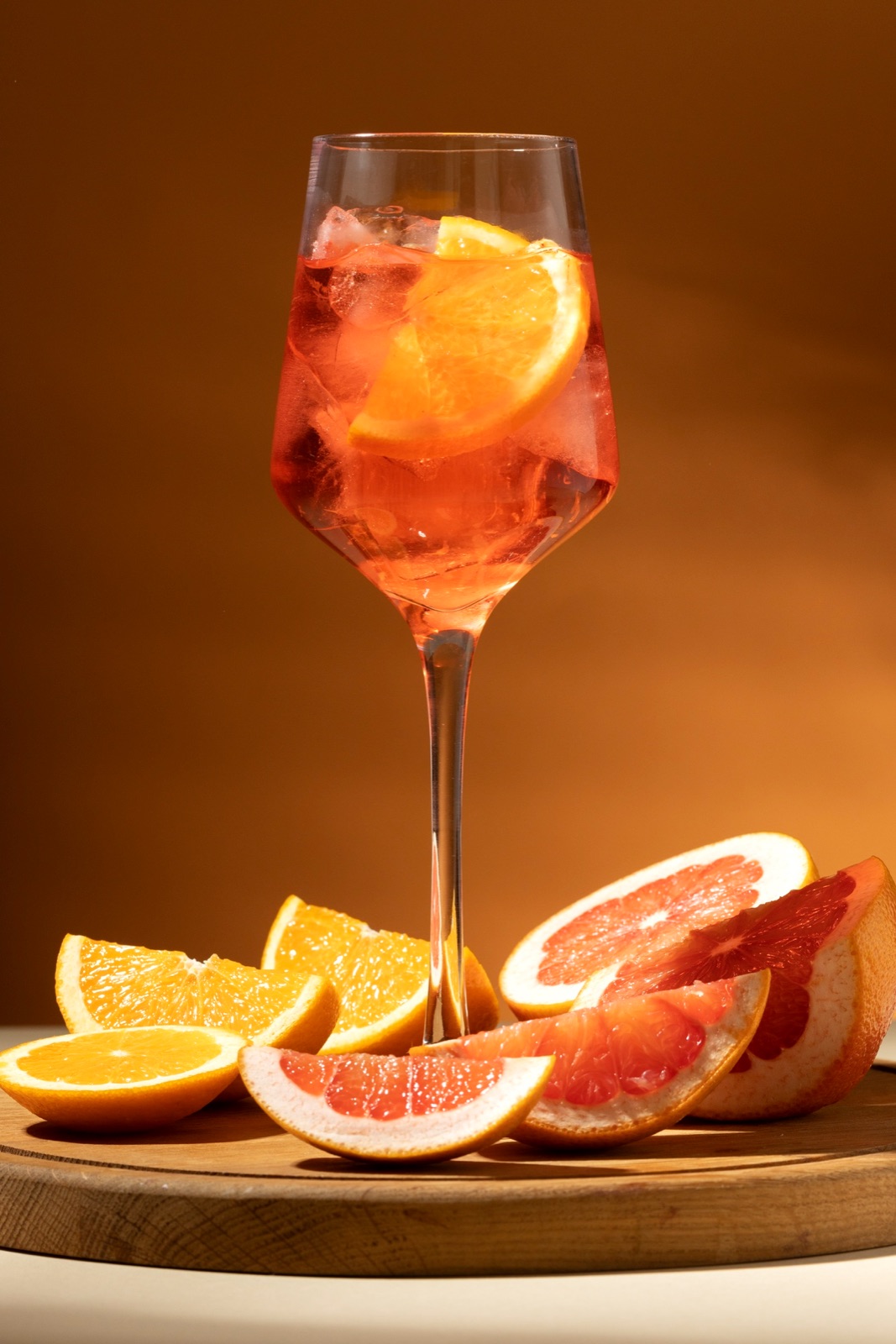
Spritz is the Veneto's own aperitivo, and here it isn't one drink but three. Ask for a spritz and the next question will be quale? — which one:
- Select — the Venetian original, made in Venice since 1920. Darker and more herbal than the others, properly bitter. This is the local answer, and ordering it marks you as someone who has been here before.
- Aperol — the orange one. Sweeter, lighter, the version most visitors already know.
- Hugo — elderflower and mint instead of the bitter, with prosecco, soda and a slice of lime. Lighter and floral rather than bitter, and the one that has quietly taken over northern Italy these last few summers.
Select and Aperol are built the same way: white wine, the bitter, a splash of soda, ice, and an olive or a slice of orange. The Hugo swaps the bitter for elderflower, and a spritz bianco leaves it out altogether — white wine and soda, which is what a lot of people drink at lunch.
Prosecco is local too. The hills around Conegliano and Valdobbiadene are an hour north, and what you get by the glass here bears little relation to the supermarket version. One thing worth knowing, because it catches people out: the labels run the opposite way to instinct. Brut is the driest, Extra Dry is a touch sweeter, and Dry is the sweetest of the three.
Tramezzini
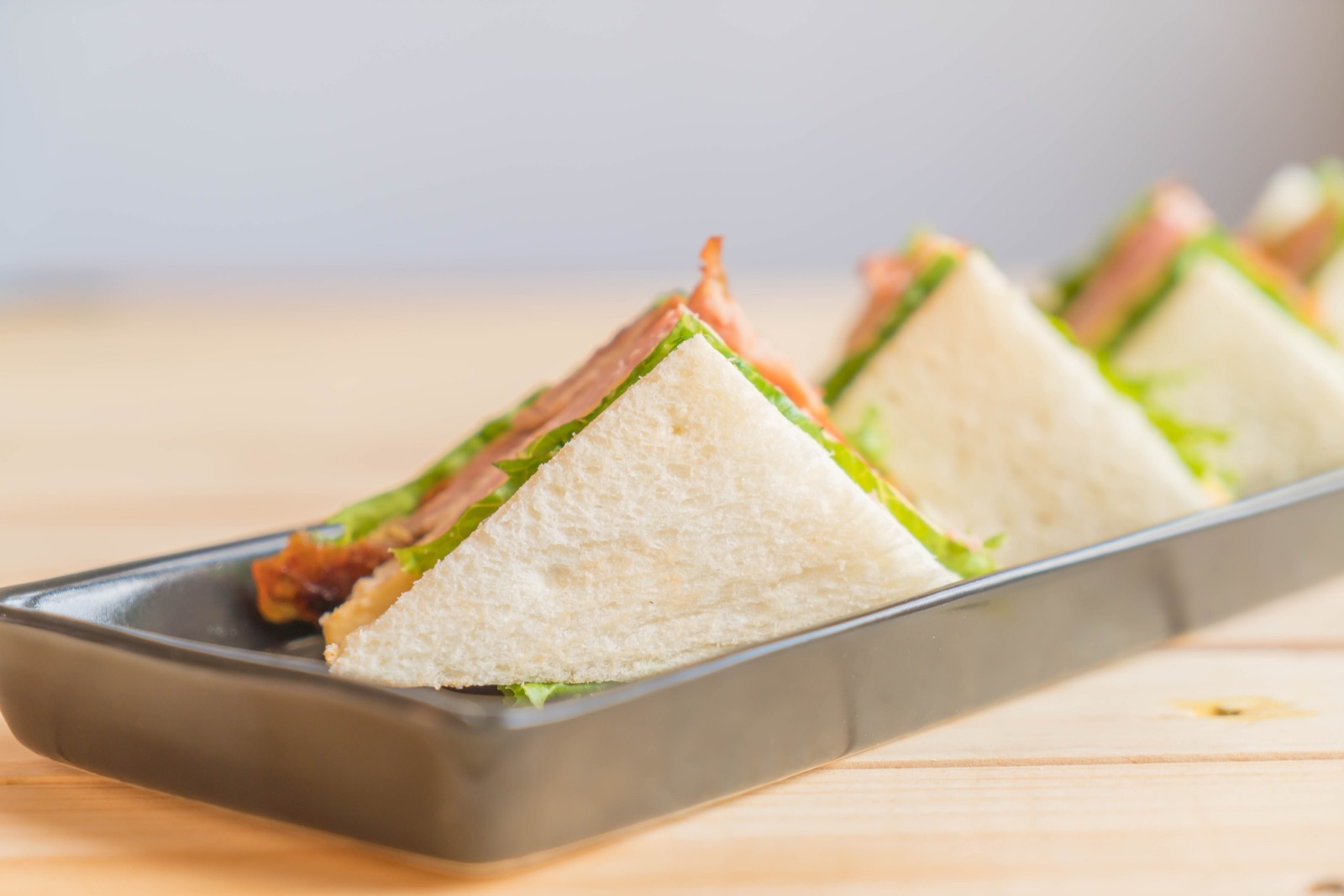
Every bar counter in the Veneto has a glass case stacked with tramezzini — triangles of soft, crustless white bread, filled far more generously than they look. Tuna and egg, prosciutto and artichoke, shrimp and mayonnaise. They are unglamorous and they are the most reliable cheap lunch in the region: two of them and a coffee is an ordinary Mestre lunch, eaten standing at the bar.
Next to them you'll usually find the pizzette — small round rolls of soft dough with mozzarella, tomato, ham or vegetables — along with potato croquettes and stuffed olives. Warm, cheap, and the right thing to point at when you don't want another sandwich.
Coffee: what "a coffee" actually means
Order un caffè and you get an espresso. Not a mug, not an americano — a small, strong shot, drunk standing at the bar in about ninety seconds. That is the normal way to drink coffee here, and it is also the cheapest: most bars charge more once you sit down, because table service is a separate thing with its own price list, displayed by law.
The orders worth knowing:
- Caffè macchiato — espresso "stained" with a drop of hot milk.
- Cappuccino — before about eleven in the morning, and never after a meal. Nobody will stop you; it just marks you out instantly.
- Caffè corretto — espresso "corrected" with a shot of grappa. Very Veneto, especially in winter, and more common at the end of a long lunch than you might expect.
- Caffè lungo or caffè americano — ask for one of these if you want something closer to a mugful, rather than hoping an espresso arrives bigger.
- Latte on its own means milk, and that is what you will be handed. The drink is a latte macchiato.
Something sweet
Breakfast in a Veneto bar is a cappuccino and a pastry — ask for una brioche or un cornetto — eaten standing, in under five minutes. Beyond that, the things actually worth looking for here:
- Tiramisù — born just up the road in Treviso, and still better in this corner of Italy than anywhere else.
- Baicoli — thin, dry Venetian biscuits made to keep for months at sea. Dip them in coffee or a glass of dessert wine.
- Bussolai and esse — buttery biscuits from Burano, in rings and S-shapes, sold by weight.
- Zaleti — soft cornmeal biscuits with raisins, yellow from the polenta flour.
- Frittelle — fried, filled with cream or zabaione, and everywhere from Christmas through Carnival. If you are here in January or February, this is the one to eat.
- Galani — the other Carnival sweet: brittle fried ribbons under a snowdrift of icing sugar.
What a round actually costs
This is the quiet reason Mestre adds up. An espresso standing at the bar is usually around €1.20, a spritz €3–4, and a bottle of water barely more than a coffee. The same round in London, Amsterdam or Paris is two or three times that — and on the island, a few hundred metres from a canal, you can pay island prices for exactly the same glass.
Drink standing at the bar and it stays cheap. Sit down at a table and the price list changes, which is normal, legal and posted — just know which one you are choosing.
Gelato
Gelato is a daily habit here, not a treat, and a cone costs a fraction of what the island charges. Look for gelateria artigianale or produzione propria on the sign — made on the premises rather than bought in. The other good tell is the flavour list: a short one that changes with the season beats a long one that never does, and fruit flavours that vanish out of season mean somebody is actually buying fruit.
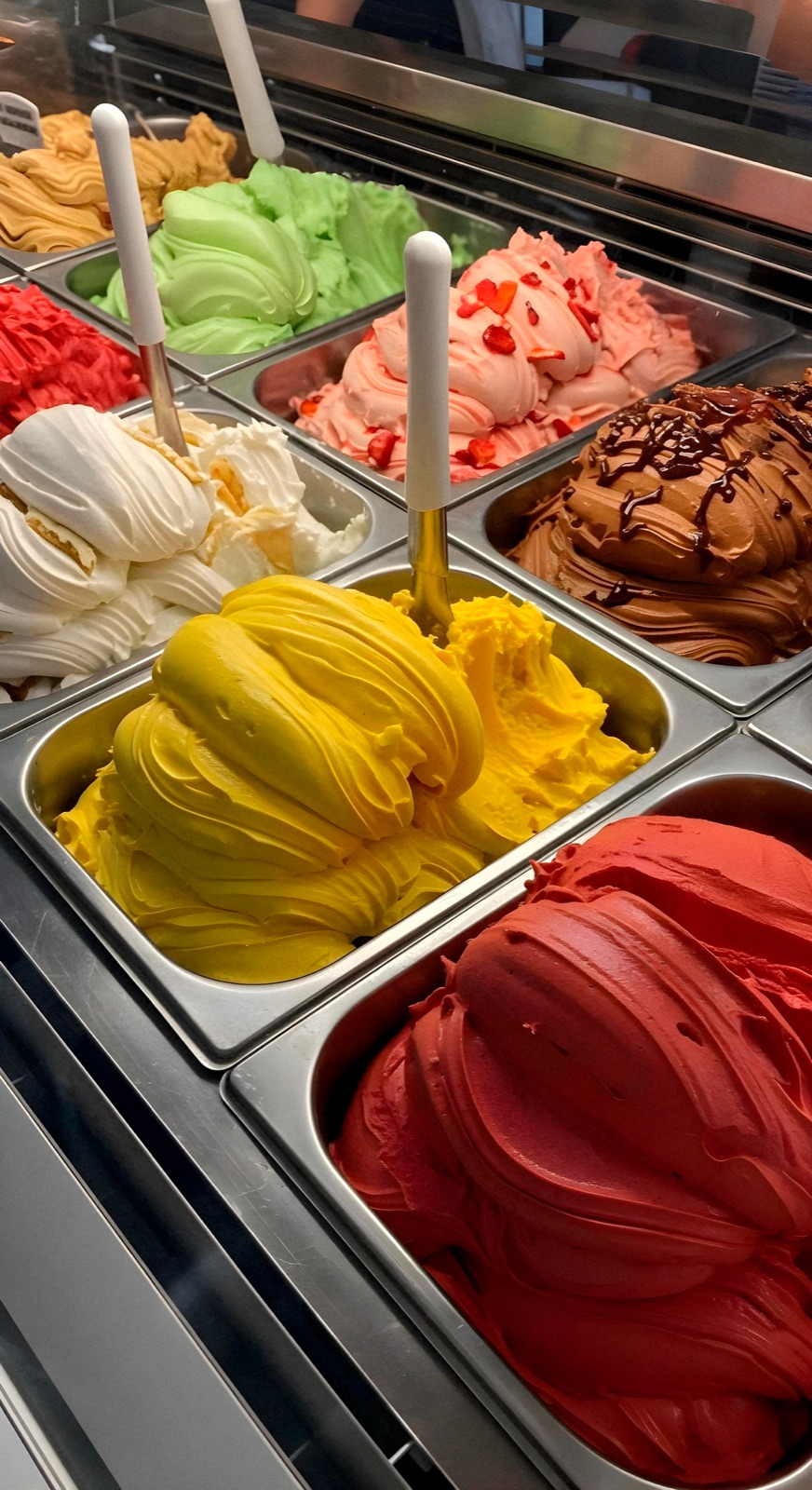
Order by number of scoops (una pallina, due palline) in a cono or a coppetta. Then ask for panna — whipped cream on top, usually free, and the thing most visitors never discover.
Cooking for yourself
An apartment with a kitchen only saves money if there is somewhere to shop, and that is one of the real advantages of the mainland: Mestre has full-size supermarkets at normal Italian prices, which the island simply does not. Produce, wine, cheese and fresh pasta cost a fraction of what you would spend eating every meal out.
From Casa Creo, for instance, there is a Coop about four minutes' walk away for the everyday shop and an Interspar about five minutes by car when you want the bigger one. Breakfast at home and one proper meal out is, for most families, the difference between a Venice trip that works on the budget and one that does not.
Where to look
- Piazza Ferretto and around — Mestre's pedestrian main square is the heart of the aperitivo scene, lined with cafés and bars with outdoor tables. Lovely for an early-evening spritz.
- The streets near the square and the station — a good concentration of everyday trattorias, pizzerias and bars where locals eat.
- Aperitivo hour (roughly 6–8pm) is when Mestre comes alive — join in.
Ask us — we'll point you to our favourites
We live here, so beyond our shortlist, just ask us and we'll tell you where we're eating right now — the trattoria for a proper sit-down dinner, the bar for the best cicchetti, the spot for pizza with the kids. Message us through the site and we'll happily share our current picks near your apartment.
Frequently asked questions
Which restaurants in Mestre are actually worth it?
We keep a shortlist of ten we'd send guests to, with price per person, menu links and what each suits — cheap slices, a family dinner, cicchetti, and the one to book for an anniversary.
Is food cheaper in Mestre than in Venice?
Generally yes — Mestre restaurants serve locals at everyday prices, while many island spots are tourist-facing. You get the same Venetian dishes, often better value.
What should I eat in the Venice area?
Try cicchetti (bar snacks) with an ombra of wine or a spritz, plus Venetian classics like baccalà mantecato, sarde in saor and bigoli in salsa.
When is aperitivo in Mestre?
Roughly 6–8pm, centred on Piazza Ferretto and the surrounding streets — the best time for a spritz and cicchetti.